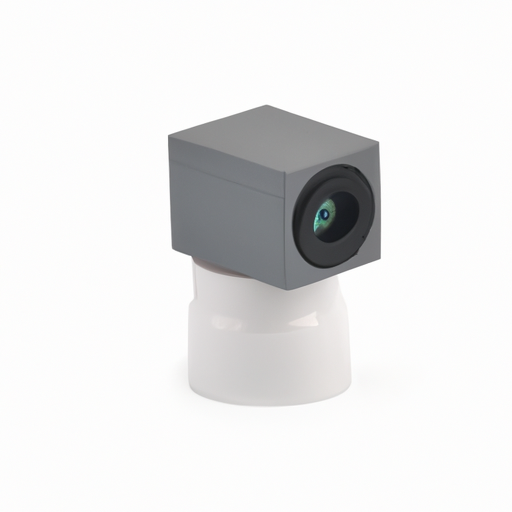
Overview of CFR-50JB-52-130K Optical Motion Sensors
The CFR-50JB-52-130K Optical Motion Sensor is a specific model that exemplifies the capabilities of optical motion detection technology. While detailed specifications and case studies for this exact model may not be readily available, we can explore the core functional technologies and application development cases that are relevant to optical motion sensors in general.
Core Functional Technologies of Optical Motion Sensors
| 1. Infrared (IR) Detection | |
| 2. Visible Light Detection | |
| 3. Lidar Technology | |
| 4. Camera-Based Systems | |
| 5. Time-of-Flight (ToF) Sensors | |
| 1. Home Automation and Security | |
| 2. Industrial Automation | |
| 3. Healthcare Monitoring | |
| 4. Robotics and Autonomous Vehicles | |
| 5. Retail Analytics | |
Application Development Cases
Conclusion

Optical motion sensors, including the CFR-50JB-52-130K model, utilize various technologies to effectively detect motion across diverse applications. Their versatility makes them suitable for home automation, industrial applications, healthcare, robotics, and retail analytics. As technology continues to evolve, the integration of optical motion sensors with AI and machine learning will further enhance their capabilities, leading to innovative applications and improved user experiences. For specific articles and case studies, industry journals, technical publications, and manufacturer resources would be valuable sources to explore further.
Overview of CFR-50JB-52-130K Optical Motion Sensors
The CFR-50JB-52-130K Optical Motion Sensor is a specific model that exemplifies the capabilities of optical motion detection technology. While detailed specifications and case studies for this exact model may not be readily available, we can explore the core functional technologies and application development cases that are relevant to optical motion sensors in general.
Core Functional Technologies of Optical Motion Sensors
| 1. Infrared (IR) Detection | |
| 2. Visible Light Detection | |
| 3. Lidar Technology | |
| 4. Camera-Based Systems | |
| 5. Time-of-Flight (ToF) Sensors | |
| 1. Home Automation and Security | |
| 2. Industrial Automation | |
| 3. Healthcare Monitoring | |
| 4. Robotics and Autonomous Vehicles | |
| 5. Retail Analytics | |
Application Development Cases
Conclusion

Optical motion sensors, including the CFR-50JB-52-130K model, utilize various technologies to effectively detect motion across diverse applications. Their versatility makes them suitable for home automation, industrial applications, healthcare, robotics, and retail analytics. As technology continues to evolve, the integration of optical motion sensors with AI and machine learning will further enhance their capabilities, leading to innovative applications and improved user experiences. For specific articles and case studies, industry journals, technical publications, and manufacturer resources would be valuable sources to explore further.